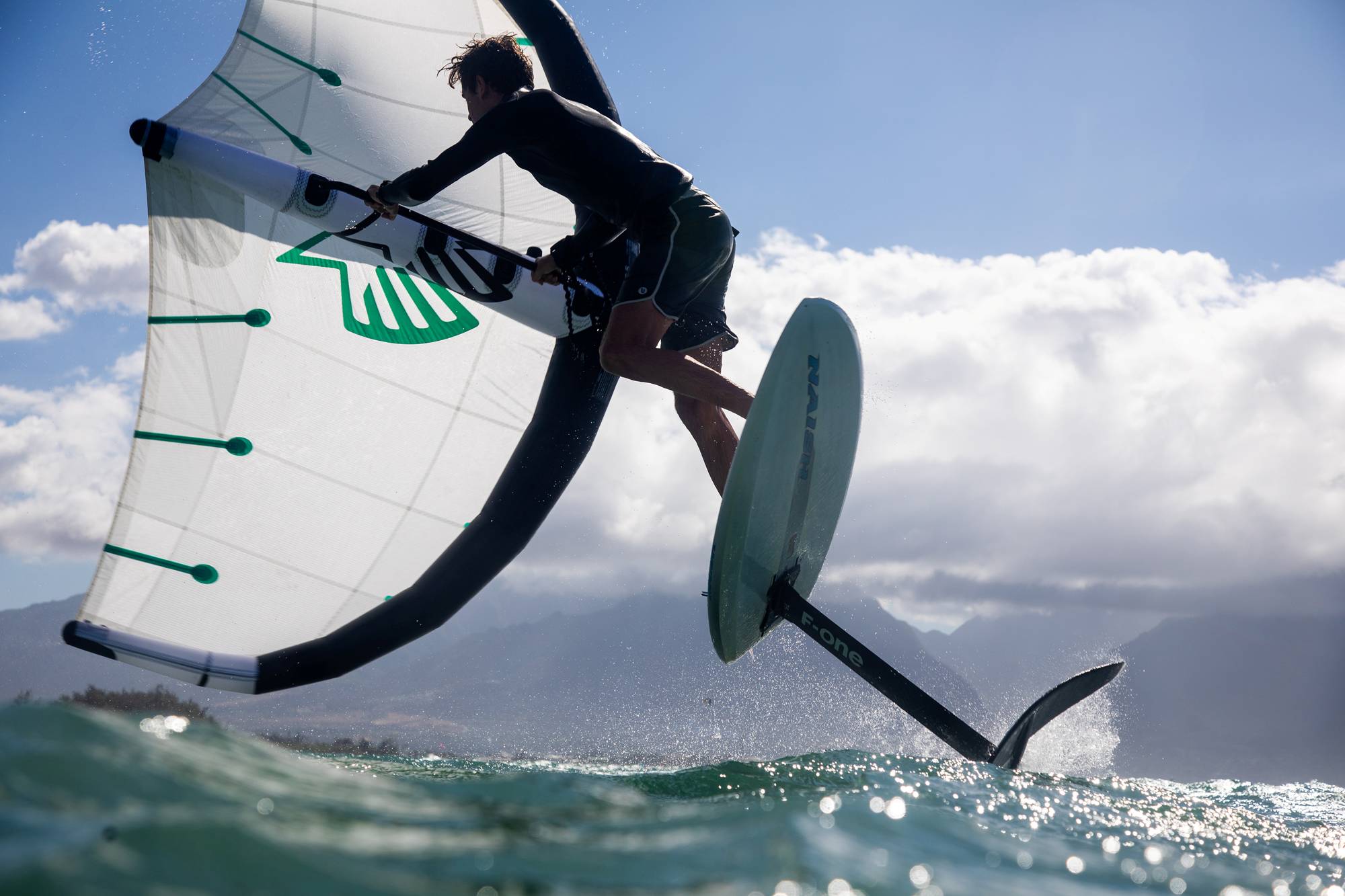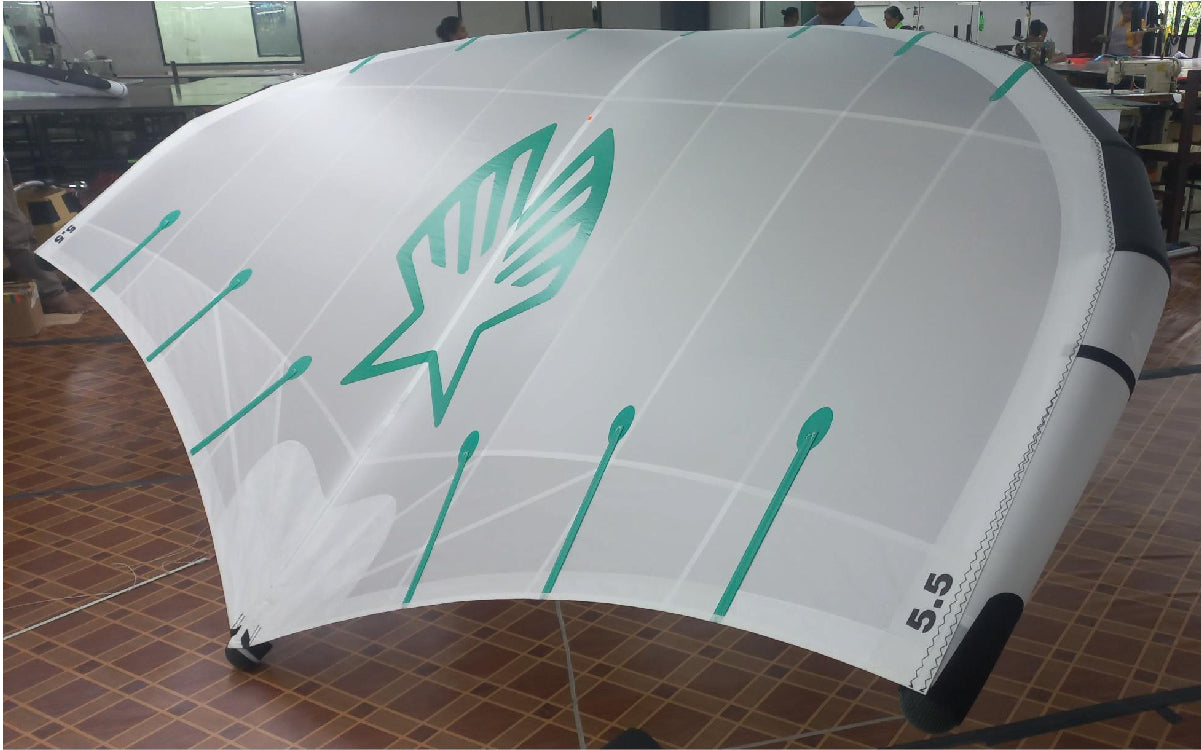


At first glance, most wingfoil wings look similar.
Similar shapes, similar sizes, similar claims.
The real differences only become clear after many sessions on the water, in changing conditions, and over time. That’s when design choices start to matter more than specifications or marketing messages.
This article does not rank wings or declare a “best” brand. Instead, it explains the different design philosophies behind modern wingfoil wings, and how those choices affect the way a wing feels, behaves and performs in real conditions.
What actually matters in wingfoil wing design
Wing performance is not defined by a single feature. It is the result of how multiple elements work together:
Canopy tension and load paths
How loads are distributed across the canopy has a direct impact on stability, efficiency and control.
Draft depth and draft position
These influence low-end power, upwind efficiency and how composed the wing feels as wind increases.
Trailing edge stability
A clean trailing edge reduces flutter, improves efficiency and keeps the wing predictable under load.
Load transfer between strut and canopy
How effectively forces move through the structure determines how direct or vague the wing feels in the hands.
Flagging and neutral handling
Especially important in waves, where the wing must remain stable and unobtrusive when depowered.
When these elements are well balanced, the result is not just more power, but more usable power and better control.
Different design philosophies among leading wing brands
Modern wingfoil wings generally follow different design approaches. None of them are inherently “right” or “wrong” — they simply prioritize different riding characteristics.
Power-focused designs
Some wings prioritize immediate power delivery and lift. These designs often feature deeper profiles and structures optimized to generate force quickly.
They can feel very powerful and lively, especially in ideal conditions. However, as wind increases or becomes gusty, they may require more active input from the rider to stay comfortable and controlled.
Lightweight and feel-oriented designs
Other wings focus on reducing overall weight and swing weight. These designs often feel very agile and responsive, which can be appealing for freestyle or light-wind riding.
The trade-off can be reduced stability under higher loads, where maintaining a clean shape and consistent tension becomes more challenging.
Control- and consistency-driven designs
Another approach prioritizes canopy stability, controlled load transfer and predictable handling across a wide range of conditions.
Rather than chasing maximum power or minimum weight, these designs aim for a composed feel in gusts, efficient upwind performance and a clean trailing edge under load. They tend to shine in variable winds, waves and real-world conditions where consistency matters more than peak numbers.
Examples of different brand approaches
Many well-known wingfoil brands explore one or more of these philosophies.
Brands such as Duotone, F-One, Cabrinha and North are widely recognized for performance-oriented designs and frequent model updates, each with their own balance of power, weight and handling characteristics.
Ezzy follows a more design-driven and consistency-focused approach, building wings in its own factory and emphasizing canopy control, load paths and predictable behavior in real conditions rather than rapid cosmetic updates.
Which approach suits different riders?
The right wing depends on how and where you ride:
- Riders seeking immediate lift and strong pull may gravitate toward power-focused designs
- Riders prioritizing light feel and maneuverability may prefer lighter constructions
- Riders sailing in gusty winds, waves or mixed conditions often benefit from wings designed around control, stability and consistency
Understanding these differences helps riders make better long-term choices and avoid chasing specifications that don’t translate into real control on the water.
There is no single “best” wing
There is no universally “best” wingfoil wing.
The best choice is the one whose design philosophy matches your riding style, local conditions and priorities on the water. Performance is not just about numbers — it’s about how a wing behaves session after session, when conditions are not perfect.
Design matters. And understanding it makes all the difference.
To see how this design philosophy is applied in practice, you can explore our approach to wing design or learn more about The Flight wing.